In the bustling Tampa Bay, FL region, where modern homes and businesses thrive, a reliable gas line installation is more than just a utility-it's a cornerstone of comfort and safety. Yet, like any intricate system, gas lines require meticulous care to maintain their efficiency and longevity. Neglecting this maintenance can lead to costly repairs, safety hazards, and even environmental damage. This article examines practical, effective strategies tailored to the unique demands of Tampa Bay gas line installations, ensuring your system operates seamlessly for years to come. From understanding the installation process guided by the Tampa Bay Gas Authority and local regulations, to leveraging advanced technologies, we explore every angle to help you extend the lifespan of your gas line system.
- Understanding Tampa-Bay-FL-Gas-Line-Installation Basics: Safety First
- Regular Inspection: Spotting Potential Issues Early
- Cleaning and Maintenance: Ensuring Optimal Flow
- Repairs vs. Replacements: When to Act
- Preventative Measures: A Proactive Approach
- Professional Services: When to Hire Experts in Tampa Bay
Understanding Tampa-Bay-FL-Gas-Line-Installation Basics: Safety First
When considering a Tampa-Bay-FL-gas-line-installation, safety is paramount. Before initiating any gas line work, it's crucial to familiarize yourself with local regulations and permits, which are strictly enforced by the Florida Building Code and overseen by the Local Permits Office. This step is not just a legal requirement; it ensures the seamless gas line upgrade process and safeguards your home or business from potential hazards.
The latest advancements in gas line technology offer enhanced safety features and improved efficiency. Modern gas lines often incorporate advanced materials that are more resistant to corrosion, reducing the risk of leaks. Smart gas meters and leak detection systems are becoming more common, providing real-time monitoring and alerts. These innovations not only extend the lifespan of your gas line system but also contribute to a safer environment.
To ensure a smooth and safe Tampa-Bay-FL-gas-line-installation, it's wise to engage the services of reputable local contractors who are members of the Local Gas Contractors Association. They are trained to follow industry best practices and adhere to the latest safety standards. Consider enlisting the support of local repair services and emergency response teams, who can provide backup and swift assistance in case of any unforeseen issues. This holistic approach ensures that your gas line installation or maintenance is not just effective but also secure.
Regular Inspection: Spotting Potential Issues Early
Regular inspection is a crucial aspect of gas line maintenance, especially for homeowners in Tampa Bay, FL, where gas line installations are a common feature. By identifying potential issues early, you can prevent major problems that may arise from negligence or lack of attention. One of the first steps in maintaining your gas line system is to schedule regular checks with licensed gas line repair experts in Tampa, Florida. These professionals have the expertise to spot even the subtlest signs of wear and tear, such as leaks, corrosion, or damage to the pipe's integrity. Early detection allows for prompt action, which can save you from costly emergency gas line fixes near me.
In Tampa Bay, FL gas line installations are subject to local building codes and permits, ensuring safety and compliance. However, beyond these regulations, proactive maintenance can extend the lifespan of your gas line system significantly. The latest advancements in gas line technology, such as improved materials and construction techniques, offer enhanced durability and performance. By staying updated with these innovations, you can ensure your gas line is equipped with the best protection against common issues. Eco-friendly gas technologies can not only reduce environmental impact but also contribute to the longevity of your system by minimizing corrosion and reducing the need for frequent repairs.
Gas line repair experts in Tampa, Florida, recommend scheduling inspections every 1 to 2 years, depending on the age and usage of your system. During these visits, experts will thoroughly examine the gas line, checking for any signs of damage, checking the pressure, and ensuring all components are functioning optimally. They can also provide advice on the best course of action to maintain your gas line, including recommendations for replacement parts or entire systems if necessary. Remember, a well-maintained gas line not only enhances safety but also reduces energy costs, making it an essential investment for any Tampa Bay, FL homeowner.
Cleaning and Maintenance: Ensuring Optimal Flow
Gas line maintenance, specifically cleaning and ensuring optimal flow, is a crucial aspect of extending the lifespan of your gas system in Tampa Bay, FL. Regular cleaning can prevent buildup and corrosion, two of the primary causes of gas line failure. The best licensed gas line installers in Tampa recommend a few key steps. First, inspect your lines for any visible signs of damage or leaks. Regular visual checks, along with periodic pressure tests, can catch issues early. Next, schedule professional cleaning services to remove sediment, rust, and other debris that can obstruct flow. These services should be part of your routine gas line maintenance regimen, especially in older installations.
In Tampa, the gas line cost breakdown for residents varies based on the extent of the work, but it's not just about the upfront expenses. Consider the long-term benefits. A well-maintained gas line can reduce energy costs and improve efficiency compared to electric line systems. Regular cleaning can prevent unnecessary pressure buildups that lead to more frequent repairs or premature replacements.
When comparing gas vs. Electric line systems, it's evident that the former offers several advantages. Gas lines are generally more efficient, providing consistent heat and hot water, and they are less susceptible to power outages. However, to maximize these benefits, proper maintenance is essential. Regular cleaning and inspection, along with timely repairs, can ensure your gas system operates at peak performance, contributing to a more comfortable home and a leaner utility budget for Tampa Bay residents.
Repairs vs. Replacements: When to Act
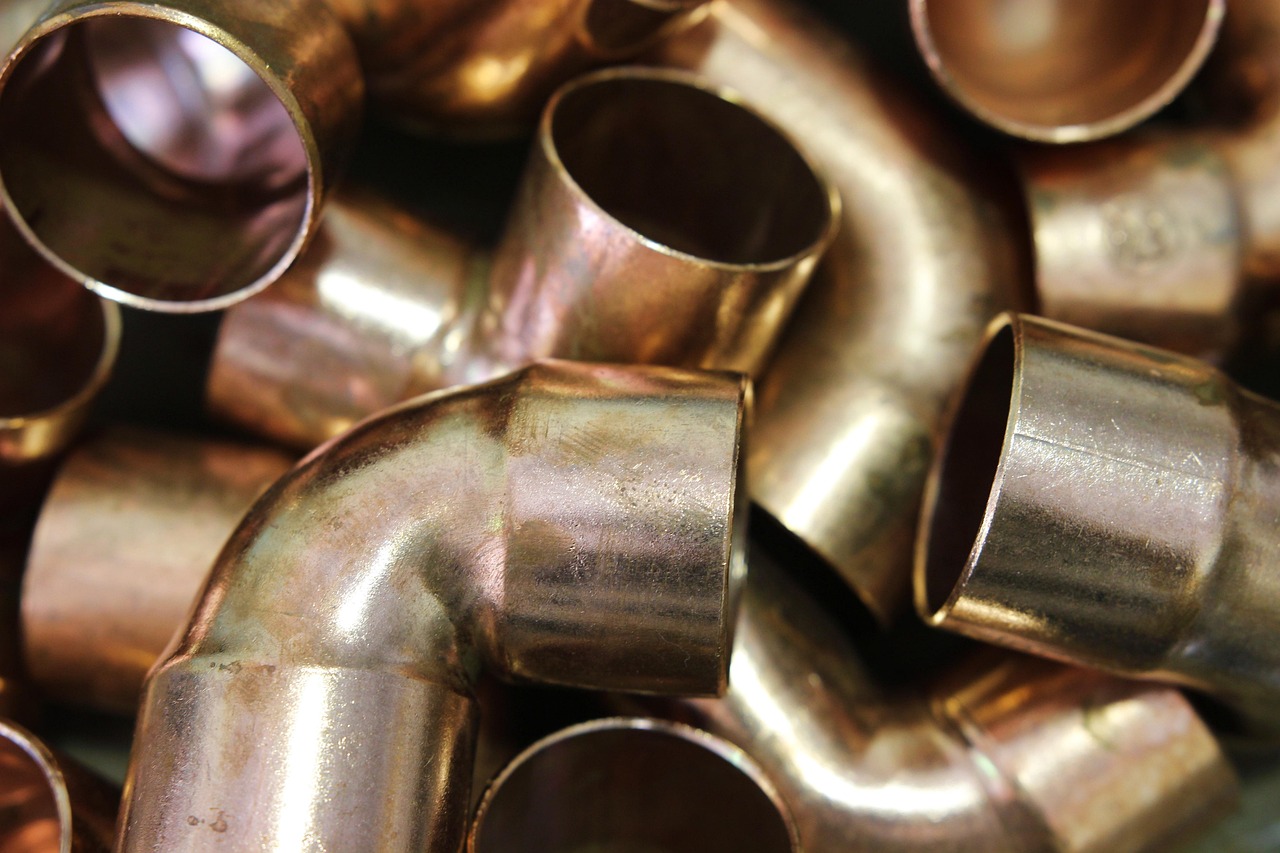
In the context of a Tampa Bay, FL gas line installation, understanding when to repair or replace your gas line is crucial for maintaining a safe and efficient system. Repairs, while effective in many cases, might not be the best option for older or severely damaged lines. If your gas line shows signs of corrosion, significant wear, or multiple repairs within a short period, replacement may be the more durable solution. Top-rated natural gas line services in the Tampa Bay area can provide expert assessments to guide you through this decision.
The latest advancements in gas line technology offer not only improved efficiency but also enhanced durability. New materials and construction techniques can extend the lifespan of your gas line, reducing the need for frequent repairs. Homeowners in Florida, particularly in areas with varying climates, can benefit from these innovations. However, staying informed about local regulations is essential. The Florida Building Code and local permits play a significant role in determining the repair-replace strategy, as they outline specific requirements for gas line maintenance and replacement.
Gas line 101 for homeowners involves understanding the signs that indicate a repair or replacement is necessary. Common issues include leaks, unusual noises, or a drop in gas pressure. Homeowners should also be aware of the financial implications. While repairs might be quicker and cheaper in the short term, replacements can be more costly but offer long-term savings. Consulting with a local gas contractor association can provide valuable insights into the best practices for maintaining your gas line system. For complex cases, involving older installations or unusual circumstances, it's advisable to seek professional assistance to ensure the safety and longevity of your Tampa Bay, FL gas line installation.
Preventative Measures: A Proactive Approach
Preventative maintenance is a cornerstone of extending the lifespan of your gas line system in Tampa Bay, FL. Unlike reactive repairs, which address problems once they arise, proactive measures ensure your gas line operates efficiently and safely, reducing the risk of costly failures. Regular inspection, for instance, can uncover potential issues like leaks or corrosion before they escalate. Licensed and insured gas line professionals, often offered by top-rated services in the area, can perform these checks using advanced tools to detect even the smallest of leaks.
One effective preventative step is to have your gas line regularly flushed and cleaned. This process involves sending a high-pressure water stream through the line to dislodge and remove any sediment or debris buildup. It's a simple yet powerful method to prevent clogs and ensure optimal gas flow. Many top-rated natural gas providers in Tampa Bay, FL offer this service as part of their maintenance packages. Staying informed about local regulations is crucial. The Florida Building Code and requirements from the Local Permits Office dictate installation and maintenance standards, so ensuring compliance with these guidelines is essential for long-term system integrity.
Another vital aspect is establishing a quick response emergency gas service. In the event of a sudden leak or other gas-related emergencies, immediate action is critical. The Local Gas Contractors Association in Tampa Bay recommends having a reliable, 24/7 emergency service on speed dial. This proactive step can minimize potential hazards and damage, ensuring your system is protected around the clock. Remember, while regular maintenance is key, being prepared for unforeseen events is equally important in extending the lifespan of your gas line system.
Professional Services: When to Hire Experts in Tampa Bay

In the context of Tampa Bay, FL gas line installation, understanding when to involve professional experts is crucial for a system's longevity. While do-it-yourself (DIY) projects can be appealing, gas line maintenance and repairs require specialized knowledge and adherence to stringent local regulations, such as those enforced by the Florida Building Code and monitored by the Local Permits Office. Gas line installations, especially in established residential or commercial areas, often demand permits and adherence to specific guidelines to ensure safety and compliance with local gas line regulations in Florida.
Preparation for the installation day, from day 1 to 3, involves a series of steps that require a thorough understanding of gas line systems. This includes assessing the property's gas line needs, obtaining the necessary permits from the Local Gas Contractors Association, and coordinating with licensed gas line installers in Tampa. These best licensed gas line installers in Tampa Bay are equipped to handle complex installations, repairs, and maintenance, ensuring your system meets industry standards and local regulations. They can also offer advice on the latest eco-friendly technologies, helping you transition to more energy-efficient gas systems.
Hiring professionals is particularly important for complex projects or when addressing potential safety hazards. Gas line issues can be subtle and difficult to detect, necessitating the expertise of experienced contractors. They can inspect for leaks, corrosion, or damage, and provide cost-effective solutions, often preventing costly future repairs. Local insurance companies and community support programs may offer assistance or discounts for residents undergoing gas line maintenance, further emphasizing the importance of professional services.
Frequently Asked Questions About Gas Line Maintenance Tips to Extend the Lifespan of Your System
What is the most important aspect of maintaining a gas line? Regular inspection and maintenance are crucial. Schedule routine checks to identify potential issues early. Look for signs of corrosion, leaks, or damage. Addressing problems promptly prevents major system failures and ensures your gas line remains safe and efficient.
How often should I have my gas line checked? It's recommended to perform a comprehensive gas line inspection at least once a year. This timely maintenance can catch minor problems before they become costly repairs. Many contractors offer annual maintenance packages tailored to your specific system.
Can DIY methods be used for gas line maintenance? While some basic tasks, like checking for leaks with soapy water, can be done by homeowners, complex repairs and maintenance should be left to certified professionals. Gas lines require specialized knowledge and tools. DIY attempts on critical components could pose safety risks and void warranties.
What are the signs of a gas line leak? Look for hissing sounds, a persistent whistle, or a damp, earthy smell near the gas line. Sometimes, leaks cause a slight depression in the ground above them. If you suspect a leak, evacuate the area immediately and contact a professional for an expert assessment.
How can I prevent freezing in outdoor gas lines? Insulate outdoor gas lines with approved materials, such as flexible pipe insulation. This protective layer helps maintain the line's temperature and prevents freezing. In extreme conditions, consider installing a thermal protection system designed for outdoor gas infrastructure.
What should I do if I smell gas? If you detect a distinct, pungent gas odor, evacuate the premises immediately. Open windows for ventilation and call your local gas utility or a certified plumber. Never attempt to locate the source of the leak yourself, as it could be dangerous.
Are there any government regulations for gas line maintenance? Yes, local and national regulations govern gas line maintenance. These rules ensure the safety and reliability of gas systems. Always comply with local building codes and guidelines provided by regulatory bodies to avoid legal issues and ensure your system meets safety standards.
Maintaining your gas line system in Tampa Bay, FL, is crucial to ensuring its longevity and safety. By understanding the basics of local gas line installation and the unique considerations of this region, you can take proactive steps to extend the lifespan of your system. Regular inspections and timely repairs, guided by industry experts like the Local Gas Contractors Association, are key to identifying potential issues. Preventative measures, such as cleaning and maintaining optimal flow, can prevent costly and dangerous system failures. When faced with repairs or replacements, consult with professionals who know the local Florida Building Code and Local Permits Office requirements. Engaging with reputable local repair services and community support programs ensures your system's reliability and your peace of mind. By adopting a proactive approach to gas line maintenance, you're not just protecting your property, but contributing to the safe and efficient operation of the entire Tampa Bay gas infrastructure.
Gas Line Maintenance in Tampa Bay, FL: Practical guide
- Safety First: Follow local regulations (Florida Building Code, Local Permits Office) for Tampa-Bay-FL-gas-line-installation, a legal and safety requirement.
- Advanced Technology: Modern gas lines use corrosion-resistant materials and smart meters for real-time leak detection, enhancing safety and efficiency.
- Engage Experts: Use licensed local contractors from the Local Gas Contractors Association for seamless, effective installations and maintenance.
- Regular Inspections: Schedule inspections every 1-2 years to detect issues early, saving on emergency repairs.
- Proactive Maintenance: Clean and maintain lines to prevent buildup, corrosion, and extend lifespan, considering eco-friendly technologies.
- Repair vs. Replace: Assess line condition with top-rated services; replacements may be durable solutions for severely damaged lines.
- Preventative Measures: Regular flushing and staying informed about local codes (like the Florida Building Code) ensure long-term system integrity.
- Emergency Preparedness: Have a reliable 24/7 emergency gas service for immediate action against leaks or hazards.
- Professional Expertise: Understand when to involve licensed experts for complex installations, repairs, and safety compliance.