Choosing the right gas line installer for your Tampa Bay, FL gas line installation project is crucial for safety, efficiency, and peace of mind. With growing energy demands and advancements in gas technology, ensuring a reliable and up-to-code system is paramount. However, navigating the local market can be challenging, with various contractors offering their services. This article guides you through the process, from understanding the installation process and local regulations, to accessing community support and planning your budget. We provide expert tips on selecting a qualified contractor, exploring the latest gas technologies, and ensuring your gas line installation is done right, the first time.
- Understanding Tampa-Bay-FL Gas Line Installation Requirements
- Expert Tips for Choosing a Reputable Installer
- Key Factors in Evaluating Installation Quality and Safety
- The Step-by-Step Process for a Successful Gas Line Installation
- Maintaining Your Gas Lines: Post-Installation Best Practices
Understanding Tampa-Bay-FL Gas Line Installation Requirements
In the complex world of gas line installation, understanding the specific requirements for Tampa Bay, Florida, is crucial for any homeowner or business owner considering a transition to natural gas. Tampa-Bay-FL gas line installation isn't merely a technical process; it's governed by an intricate interplay of local regulations, building codes, and industry standards. To ensure a safe and efficient installation, it's essential to grasp these requirements from the outset.
The first step is to familiarize yourself with the Tampa Bay Gas Authority and the Florida Building Code. These entities dictate the guidelines and specifications for gas line layout, materials, and safety measures. The local codes often mandate specific types of pipe and fitting, as well as clear separation distances from property lines and structures. A permit from the Local Permits Office is usually required before any excavation or construction work begins. This process not only ensures compliance with regulations but also provides a clear roadmap for the project timeline and potential costs.
When considering cost-effective gas line installation for homes or commercial properties, it's vital to obtain multiple quotes from licensed local contractors. The Local Gas Contractors Association can be a valuable resource for finding reputable professionals. These quotes should include detailed breakdowns of materials, labor, and any necessary permits. Comparing these quotes not only helps in budgeting but also allows you to identify potential areas for efficiency and cost savings. Some contractors may offer package deals for combined services like pipeline installation and equipment setup, which can streamline the process and potentially reduce overall expenses. Remember, the right installer should not only be skilled but also transparent in their pricing and capable of providing tailored solutions that align with your specific needs and the local regulations in Tampa Bay, Florida.
Expert Tips for Choosing a Reputable Installer
For tampa-bay-fl-gas-line-installation, choosing the right service provider is crucial for a seamless and safe process. Begin by verifying that the contractor is licensed and insured, protecting both your investment and ensuring compliance with local regulations. The Tampa Bay Gas Authority and the Florida Building Code set the standards for gas line installations, so confirm that the provider follows these guidelines.
Reputable gas line installers in the Tampa Bay area will offer a comprehensive pre-installation assessment, taking into account your property's unique needs and local codes. They should also provide clear cost estimates, detailing every aspect of the project. This transparent approach ensures there are no hidden fees or surprises during the installation process. Some companies offer online cost estimation tools to give you a preliminary idea of expenses.
During the selection process, ask for references and check online reviews from previous clients. This step provides valuable insights into the quality of their work and customer service. Consider the expertise of the installer, especially when tackling specific gas technologies or upgrades. The Local Gas Contractors Association is a great resource for finding qualified professionals who stay updated with the latest industry trends and eco-friendly gas technologies, ensuring your installation is not only efficient but also contributes to energy conservation.
Key Factors in Evaluating Installation Quality and Safety
For Tampa Bay, FL gas line installation, quality and safety should never be compromised. Evaluating the expertise and track record of gas line installers is crucial to ensure a safe and efficient installation. Beyond the initial inspection and estimate, there are several key factors to consider that directly impact the quality and longevity of the work.
First and foremost, look for installers who are licensed and certified by reputable local and state authorities, such as the Tampa Bay Gas Authority. This ensures they adhere to the latest standards and regulations, like those set by the Florida Building Code. Check if they hold valid permits from the Local Permits Office, demonstrating compliance with local laws. Many reputable companies are also members of the Local Gas Contractors Association, which promotes industry best practices and provides a network for peer support.
Another critical aspect is the installer's proficiency with the latest advancements in gas line technology. The gas line cost breakdown for Tampa residents can vary based on the type of gas line used, the complexity of the installation, and local labor costs. Staying up-to-date with modern techniques and materials ensures a more efficient and cost-effective installation. Eco-friendly gas technologies and smart home integration are becoming more common, offering both environmental benefits and enhanced comfort.
Consider the installer's safety record and emergency response capabilities. Local repair services and emergency response teams play a vital role in addressing any issues that may arise during or after the installation. Insurance companies, both for the installer and the property owner, are essential to mitigate financial risks in case of accidents or damage. Having a clear understanding of their policies and procedures can provide peace of mind throughout the installation process.
The Step-by-Step Process for a Successful Gas Line Installation
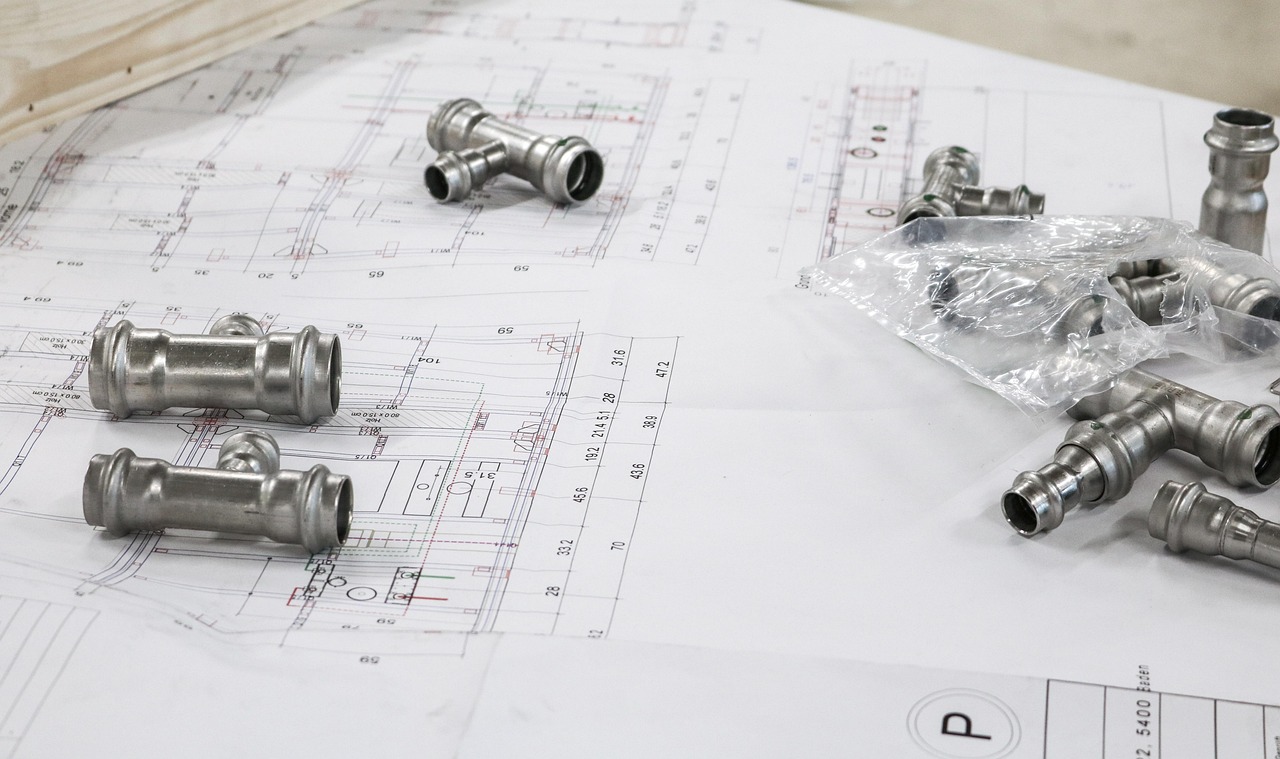
Choosing the right gas line installer for your Tampa Bay, FL home is crucial for a successful installation and long-term safety. The process involves several steps, from understanding the local regulations to selecting a reputable contractor and ensuring a cost-effective solution. Let's break down this essential gas line 101 for homeowners in Florida.
First, familiarize yourself with the Tampa Bay Gas Authority and the Florida Building Code, which outline the guidelines for gas line installation in the region. Obtain any necessary local permits from the Permits Office to comply with building regulations. Reviews on Tampa Bay gas line companies are invaluable; seek out highly-rated, licensed contractors with experience handling residential projects. Check online platforms and local homebuilder associations for feedback and recommendations.
Next, review your project's specifics, including budget and timeline. Compare quotes from several contractors, ensuring they're detailed and include all aspects of the installation. Cost-effective gas line installation doesn't necessarily mean the cheapest option. Consider the contractor's reputation, their use of eco-friendly technologies, and their ability to complete the project efficiently. Engaging with a reputable company can lead to better longevity and potential energy savings.
During the installation process, maintain open communication with your chosen contractor. Ask about their methodology, safety protocols, and expected duration. Most installations take one to two days, but complex projects may require more time. Have a clear understanding of when your home will be ready to use the gas line. Remember, a successful Tampa Bay, FL gas line installation relies on thorough planning, expert guidance, and a commitment to safety.
Maintaining Your Gas Lines: Post-Installation Best Practices
After a successful Tampa Bay, FL gas line installation, maintaining your lines is crucial for safety, efficiency, and longevity. Post-installation, there are several best practices to ensure your gas lines operate smoothly and reliably. First, review and understand the guidelines set by the Tampa Bay Gas Authority and the Florida Building Code. These regulations outline important safety measures and proper maintenance procedures specific to your region.
Regular inspections are vital, even after a well-performed installation. Consider setting up a schedule with a reputable local gas contractor to inspect for any signs of damage, corrosion, or leaks. Affordable Tampa Bay gas line repair services are readily available, and proactive maintenance can prevent costly emergencies. A simple inspection might catch a minor issue before it escalates, saving you from a potential gas line replacement.
Staying updated with the latest advancements in gas line technology is also beneficial. New materials and techniques can enhance the durability and energy efficiency of your gas lines. Reviews on Tampa Bay gas line companies often highlight the benefits of eco-friendly technologies, such as high-density polyethylene (HDPE) pipes, which are known for their resistance to corrosion and flexibility. By embracing these innovations, you contribute to a safer, more sustainable energy infrastructure.
Ensuring proper ventilation during and after installation is essential. Gas lines require adequate airflow to prevent the buildup of hazardous gases. Collaborate closely with your contractor to identify and address any ventilation concerns. Remember, a well-maintained gas line not only extends the life of your system but also enhances the overall safety and comfort of your Tampa Bay home or business.
Frequently Asked Questions About Choosing the Right Gas Line Installer in Tampa Bay: Tips from Experts
What is the most important factor to consider when hiring a gas line installer?
When selecting a gas line installer, prioritize their license, insurance, and experience. Ensure they hold a valid, up-to-date license from a recognized authority, carry liability and worker's compensation insurance, and have extensive experience in the Tampa Bay area. These factors protect you from legal issues, financial burdens, and potential safety hazards, ensuring a competent and reliable professional.
How do I know if a gas line installer is licensed and insured?
Most reputable contractors display their licenses and insurance certificates prominently on their websites or upon request. Check for a current license from a relevant state or local authority, and verify that their insurance policies cover both general liability and worker's compensation. If you're unsure, ask the installer for proof of these qualifications.
What should I expect from a professional gas line installation?
A professional installation typically involves site assessment, material procurement, precise measurement, and careful assembly. The contractor will assess your property, recommend suitable materials, and obtain necessary permits. Work proceeds according to safety standards, with regular inspections and quality checks. Upon completion, they'll test the line for leaks and ensure all connections are secure.
Are there any red flags I should watch out for when hiring a gas line installer?
Red flags include lack of proper licensing and insurance, unusually low quotes, promises of quick turnaround without detailed assessment, and poor communication. Unlicensed or uninsured contractors pose significant risks, while overly low bids may indicate subpar materials or practices. Always prioritize qualified, transparent, and experienced professionals.
How can I ensure the gas line installation complies with local regulations?
Check that your chosen installer is familiar with and adheres to Tampa Bay's local building codes and regulations. Reputable contractors stay current on these guidelines, ensuring compliance. Ask about their experience with local permitting processes and their adherence to safety standards, such as those set by local fire departments.
What is the typical timeline for a gas line installation project?
Most gas line installations in the Tampa Bay area take one to two days, depending on the complexity and size of the project. This includes obtaining permits, material procurement, and actual installation. Some larger projects might require additional time. Clear communication with your contractor regarding timelines and potential delays is crucial.
Choosing the right gas line installer in Tampa Bay, FL, is crucial for a safe and efficient gas line installation. By understanding the local requirements, following expert tips, and evaluating quality and safety, you can ensure a successful project. The step-by-step process, guided by industry associations like the Local Gas Contractors Association, ensures compliance with the Florida Building Code and local permits. Post-installation, maintaining your gas lines through regular checks and eco-friendly technologies, like natural gas providers and energy efficiency experts, will extend their lifespan and contribute to a sustainable home. The key takeaways? Prioritize reputation, ask for estimates, and stay informed about local permits. Following these best practices will lead to a secure and cost-effective tampa-bay-fl-gas-line-installation.
Tampa Bay, FL Gas Line Installation: A Practical guide
- Understand Local Regulations: Familiarize yourself with Tampa Bay Gas Authority and Florida Building Code guidelines for gas line layout, materials, and safety. Obtain local permits.
- Research and Compare Contractors: Engage licensed, insured local gas line installers. Obtain multiple quotes, comparing material, labor, and permit costs.
- Assess Expertise and Track Record: Look for installers with certifications, valid permits, and positive online reviews. Consider their proficiency with modern gas technologies and safety records.
- Post-Installation Care: Follow local regulations, conduct regular inspections, embrace eco-friendly technologies, and maintain proper ventilation for safe, efficient gas line operation.